Shipping lithium batteries worldwide
Safely ship hazardous materials such as alcohol and lithium batteries internationally!
Shipping hazardous materials requires special care and compliance with international regulations to ensure the safety of people, animals, and the environment. This article explains which hazardous materials require special handling and how they are classified. Alcohol and lithium batteries which items may be shipped internationally and which country-specific regulations must be observed.
What is considered hazardous material?
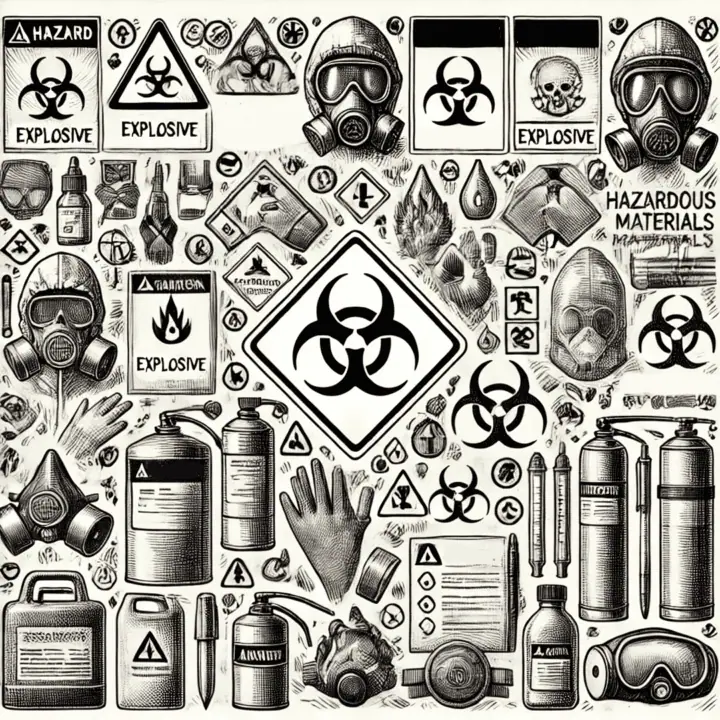
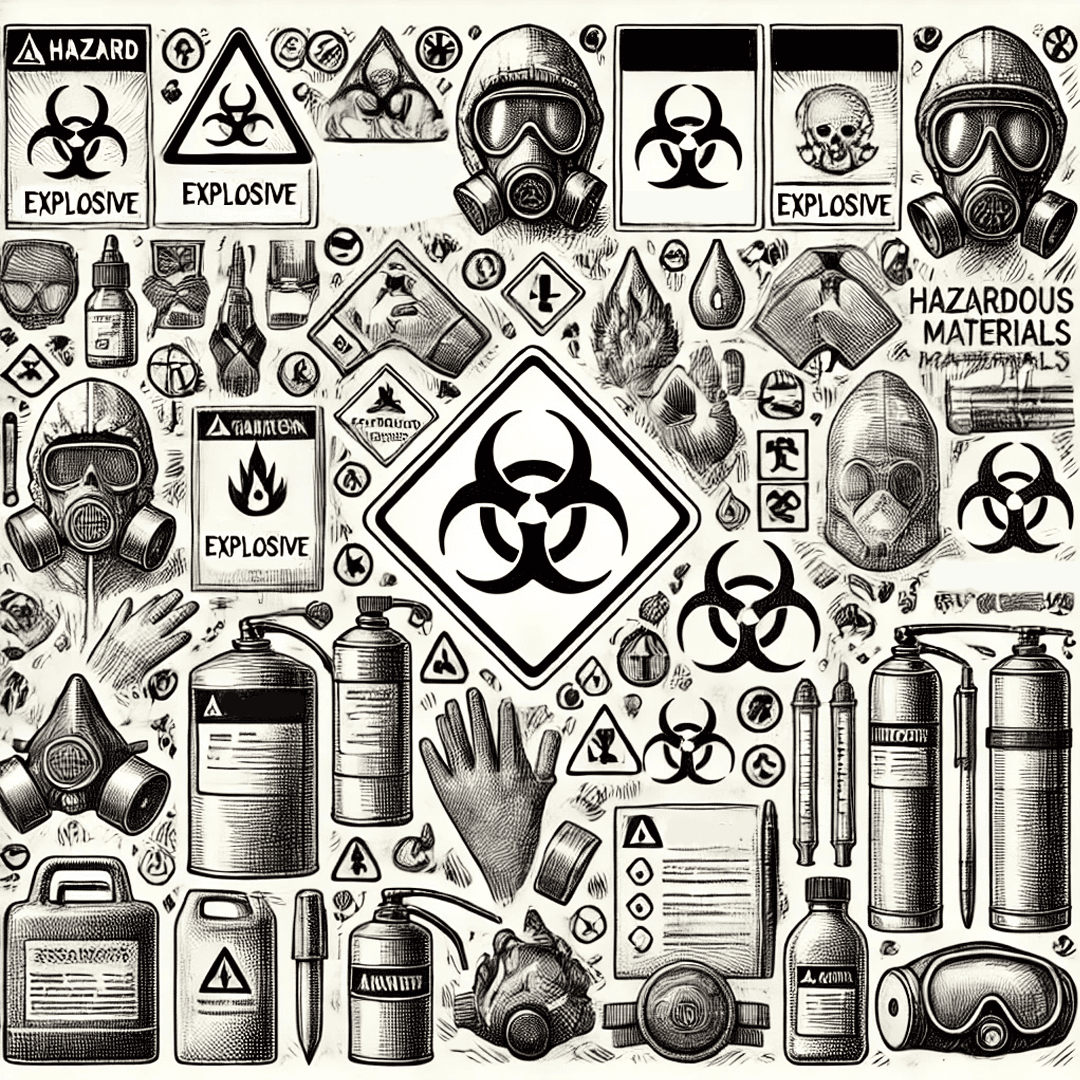
Dangerous goods include substances and articles which, due to their nature or properties, pose potential hazards during transport.
These include:
- Flammable liquidse.g. alcohol
- Flammable solidse.g. certain chemicals
- Oxidizing substancese.g. hydrogen peroxide
- gasese.g. propane
- Corrosive substancese.g. acids
- Various dangerous substances and objectse.g. lithium batteries
Shipping of alcohol
Alcoholic beverages are considered flammable liquids and are therefore subject to special shipping regulations. Whether or not they can be shipped depends on the alcohol content and the regulations of the destination country. For example:
- Alcohol content up to 24%In many countries, shipping is permitted in limited quantities.
- Alcohol content between 24% and 70%Shipping is often restricted and requires special labeling.
- Alcohol content over 70%: Often excluded from shipping.
It is essential to know the specific regulations of the destination country, as some countries strictly regulate or prohibit the import of alcohol.
Shipping of lithium batteries
Lithium batteries are used in many electronic devices such as smartphones and laptops. Due to their potential hazards, strict regulations apply to their shipment:
- Lithium Ion BatteriesRechargeable, used in devices such as laptops and mobile phones.
- Lithium metal batteriesNon-rechargeable, found in devices such as watches or medical equipment.
The following general guidelines apply to shipping:
- Batteries installed in the deviceShipping is usually allowed, provided certain performance limits are not exceeded.
- Loose batteriesShipping is often restricted or prohibited.
The exact regulations vary depending on the destination country and mode of transport (air, sea, land). For example, according to Swiss Post regulations, a maximum of two batteries or four cells may be contained per package, subject to specific power limits.
Country-specific regulations
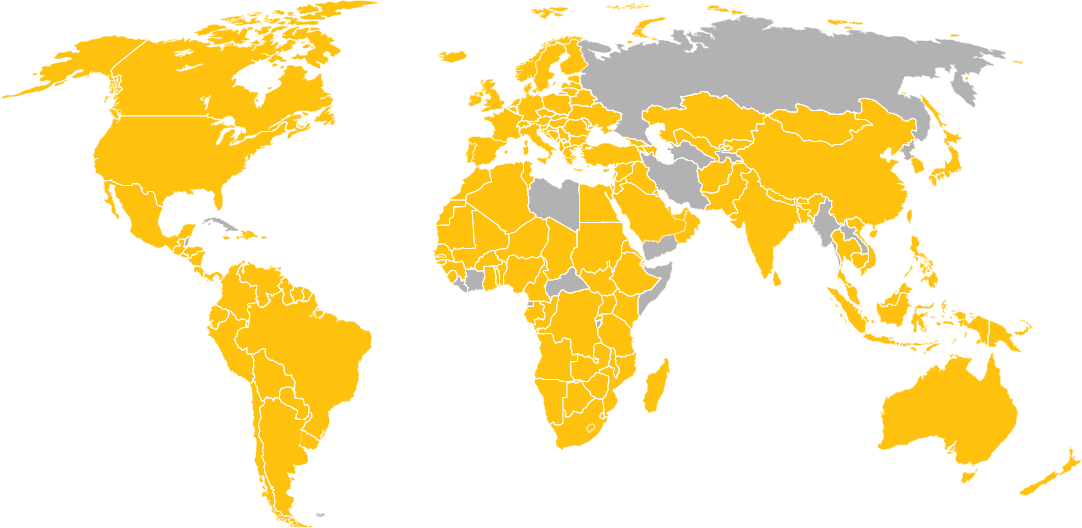
Each country has its own regulations for the import of dangerous goods. Some examples:
- USAStrict regulations apply to flammable liquids; certain types of alcohol may only be imported with special permits.
- Canada: Similar regulations to those in the USA, however, the limits for alcohol content may vary.
- Australia: Very restrictive on the import of alcohol and lithium batteries; special permits are often required.
Before shipping, it is essential to check the current import regulations of the destination country to avoid delays or returns.
General information for shipping dangerous goods
- Packing: Use of approved packaging that meets international standards.
- LabelingClear and correct labeling of the package with the appropriate dangerous goods labels.
- DocumentationComplete and accurate completion of all required shipping documents.
It is recommended to contact the respective shipping provider before dispatch to ensure that all regulations are complied with and that the dispatch process runs smoothly.
The international shipping of hazardous materials such as alcohol and lithium batteries is complex and requires precise knowledge of the respective country-specific regulations. Careful preparation and compliance with all relevant regulations are crucial for safe and successful shipment.
FAQ - Frequently Asked Questions
What is meant by hazardous materials?
What is meant by hazardous materials?
Dangerous goods These are substances and objects that, due to their nature, properties, or condition during transport, may pose a danger to public safety, human health, animal health, property, or the environment. Examples include flammable, toxic, or corrosive substances.
Which products are considered hazardous materials?
Which products are considered hazardous materials?
Among the most common dangerous goods include:
-
Aerosols: Aerosol cans containing flammable substances.
-
Batteries: Especially lithium-ion batteries, which are used in many electronic devices such as mobile phones or laptops.
-
Paints and varnishes: Especially those containing flammable solvents.
-
Chemicals: Cleaning agents, pesticides, or other industrial chemicals.
A detailed list and classification is provided by the International Air Transport Association (IATA) in its dangerous goods regulations.
How can I tell if my shipment contains hazardous materials?
How can I tell if my shipment contains hazardous materials?
Products classified as dangerous goods must be marked accordingly. This can be indicated by hazard labels, UN numbers, or specific symbols on the packaging. Additionally, the manufacturer's Safety Data Sheet (SDS) provides information on whether a product is classified as dangerous goods, specifically in section 14 – Transport Information. We are happy to assist you if you have any questions regarding shipping.
What regulations apply to the shipment of dangerous goods?
What regulations apply to the shipment of dangerous goods?
The transport of dangerous goods is subject to strict national and international regulations, such as the European Agreement concerning the International Carriage of Dangerous Goods by Road (ADR) and the IATA Dangerous Goods Regulations for air transport. These regulate aspects such as packaging, labeling, documentation, and training requirements.
How must hazardous materials be packaged and labelled?
How must hazardous materials be packaged and labelled?
Dangerous goods must be transported in approved and tested packaging that meets the specific requirements of the respective hazard class. Each package must be marked with the appropriate hazard labels, UN numbers, and, if necessary, additional warnings such as "Environmentally Hazardous".
Do I need special documents for shipping dangerous goods?
Do I need special documents for shipping dangerous goods?
Yes, shipping dangerous goods requires specific transport documents containing detailed information about the goods being transported. This includes, among other things, the UN number, the official name of the substance, the hazard class, and the packing group.
Am I allowed to ship hazardous materials in any quantity?
Am I allowed to ship hazardous materials in any quantity?
There are exemptions for the transport of small quantities, known as “exempt quantities” (EQ) or “limited quantities” (LQ). The exact quantity limits vary depending on the substance and its classification. Exceeding these quantities triggers more comprehensive regulations.
Do I need to appoint a dangerous goods safety advisor in my company?
Do I need to appoint a dangerous goods safety advisor in my company?
Companies that regularly ship hazardous materials are generally required to appoint a hazardous materials safety advisor. However, there are exceptions, for example, for small quantities or certain activities. We are happy to assist you and help you with any questions you may have regarding hazardous materials.
What are the consequences of violating dangerous goods regulations?
What are the consequences of violating dangerous goods regulations?
Violations of dangerous goods regulations can lead to substantial fines and, in serious cases, imprisonment. Furthermore, improper handling and transport of dangerous goods can endanger human lives and cause environmental damage.
Who can I contact if I have further questions?
Who can I contact if I have further questions?
For specific questions or individual advice regarding the shipping of dangerous goods, we are happy to assist you. DisposalIt is advisable to gather comprehensive information before shipping and, if necessary, consult experts to ensure that all regulations are complied with.